Authors in Conversation
Enrollment Closed
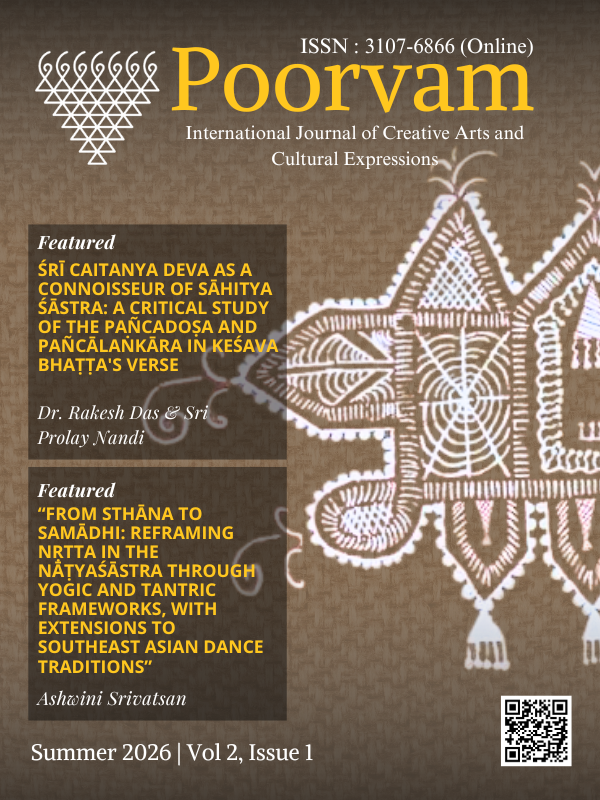
A peer-reviewed biannual journal publishing research, critique, and creative expression at the intersection of classical traditions and contemporary thought.
Join our hybrid seminars where scholars, artists, and practitioners from across the globe gather to explore the living traditions of Indian heritage in contemporary and digital arts.
View All Events
Authors in Conversation
Enrollment Closed
Authors in Conversation
Enrollment Open
Authors in Conversation
Enrollment Open
Speaker
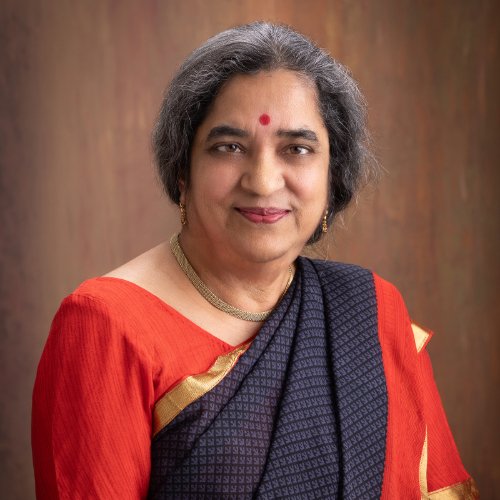
Monima Chadha is Professor of Indian Philosophy at the Faculty of Philosophy, University o…
Exploring Selfless Minds: A Contemporary Perspec…
Speaker
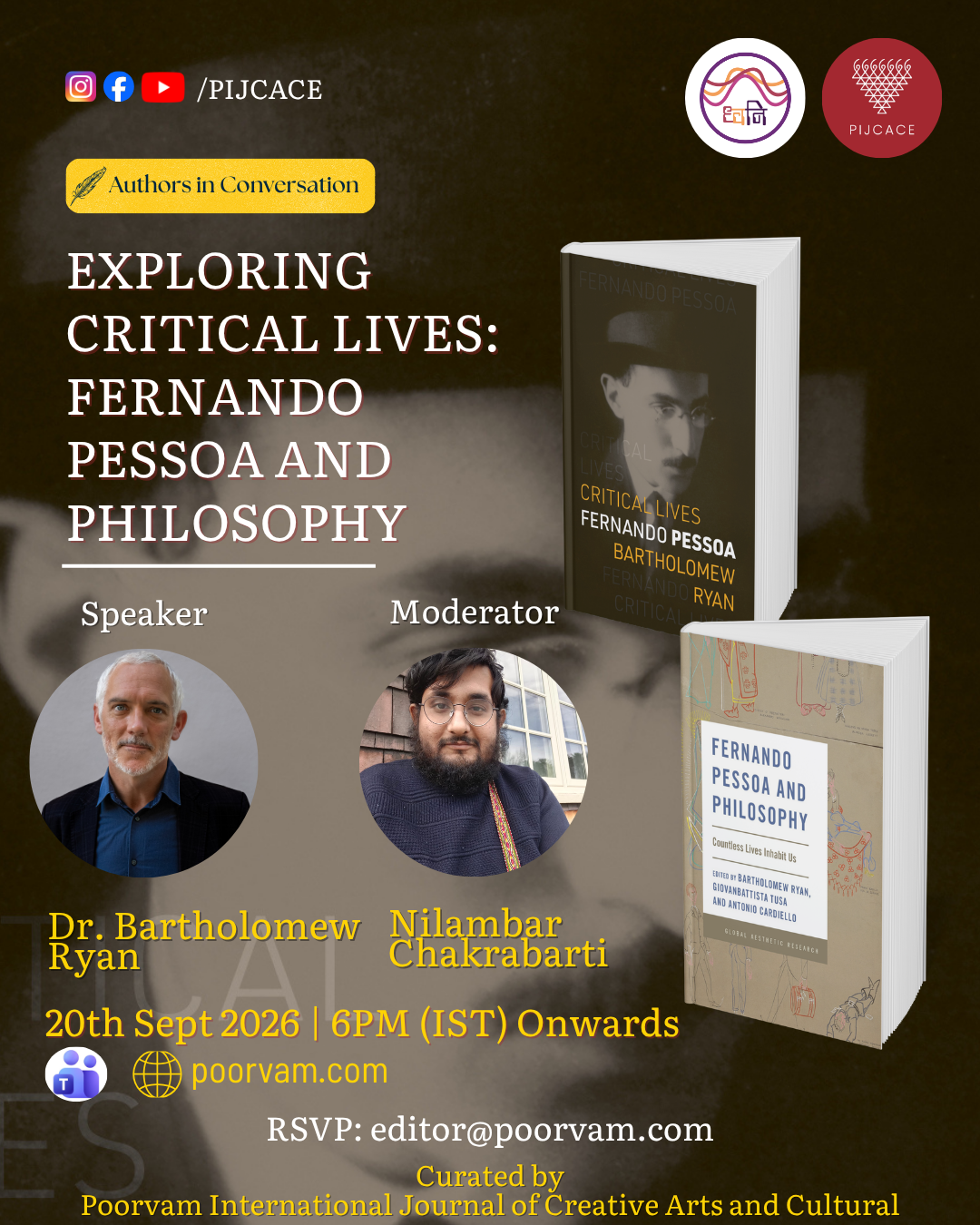
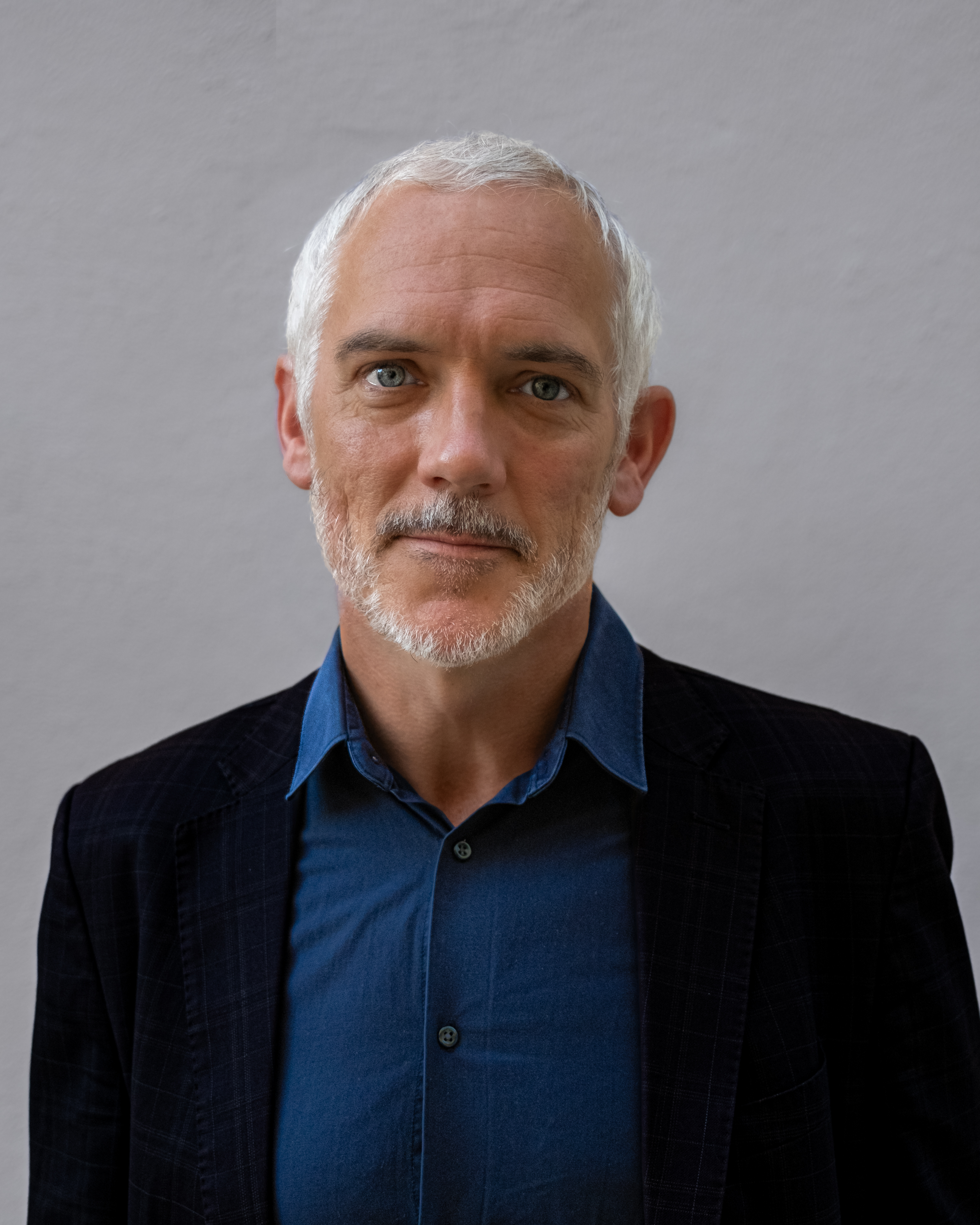
Bartholomew Ryan is a philosopher and musician, and holds a position as Research Professor…
EXPLORING CRITICAL LIVES: FERNANDO PESSOA AND PH…
Speaker
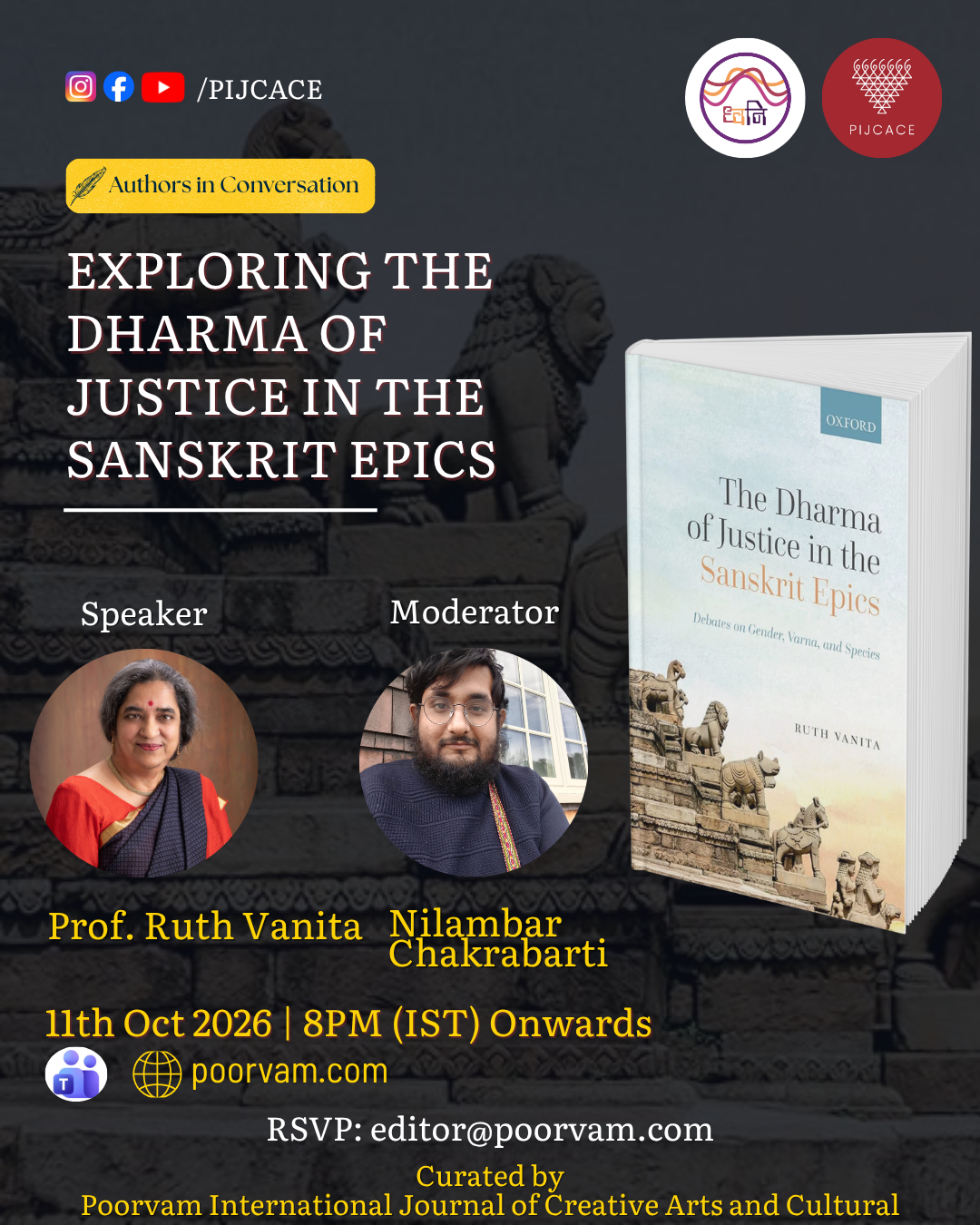
Ruth Vanita is a scholar, writer, and translator whose work spans Indian literary history,…
Exploring The Dharma of Justice in the Sanskrit …
Speaker
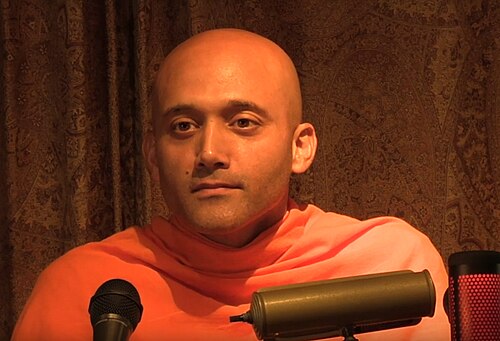
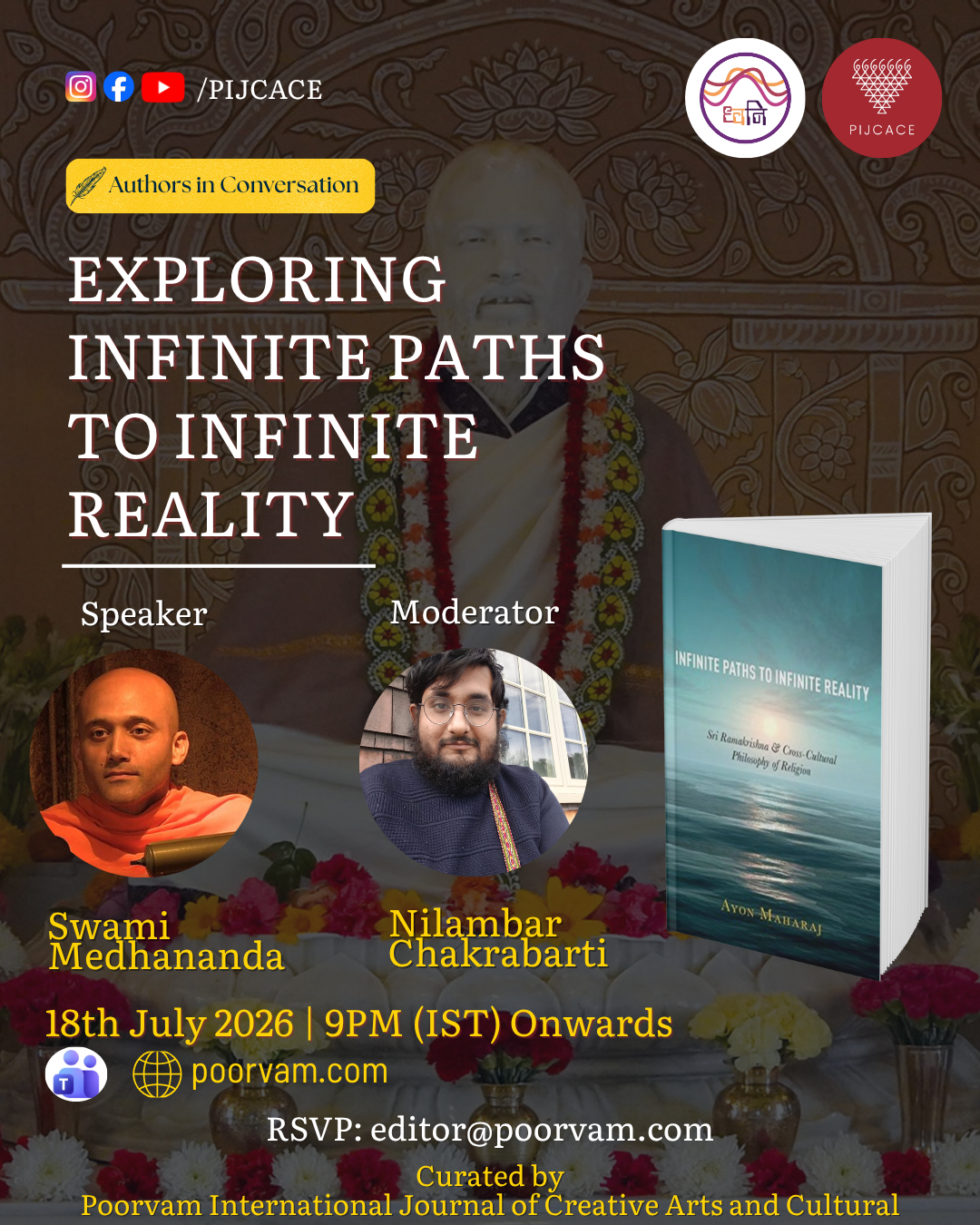
Swami Medhananda is a monk of the Ramakrishna Order and an academic philosopher, currently…
Exploring Infinite Paths to Infinite Reality…
Speaker
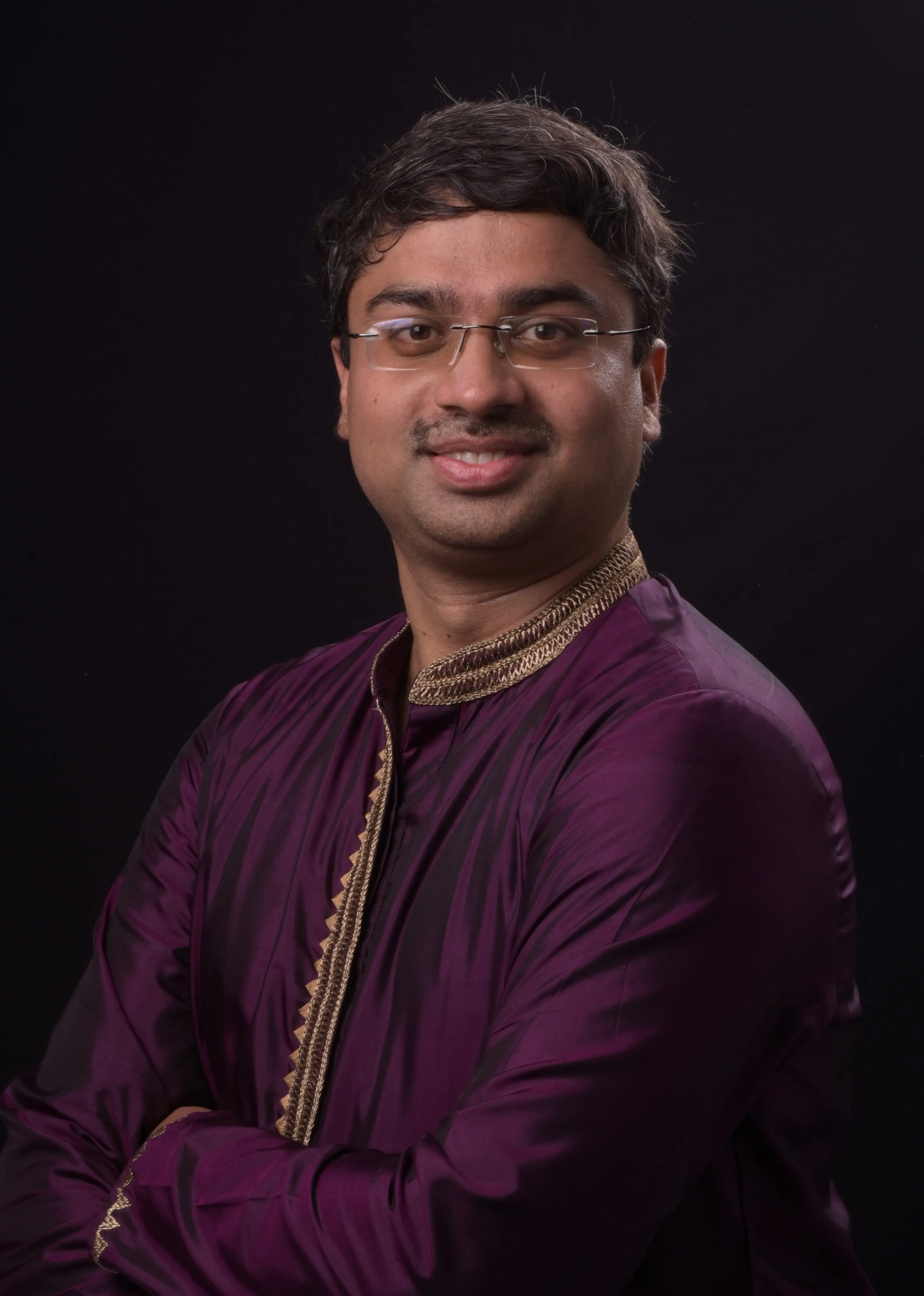
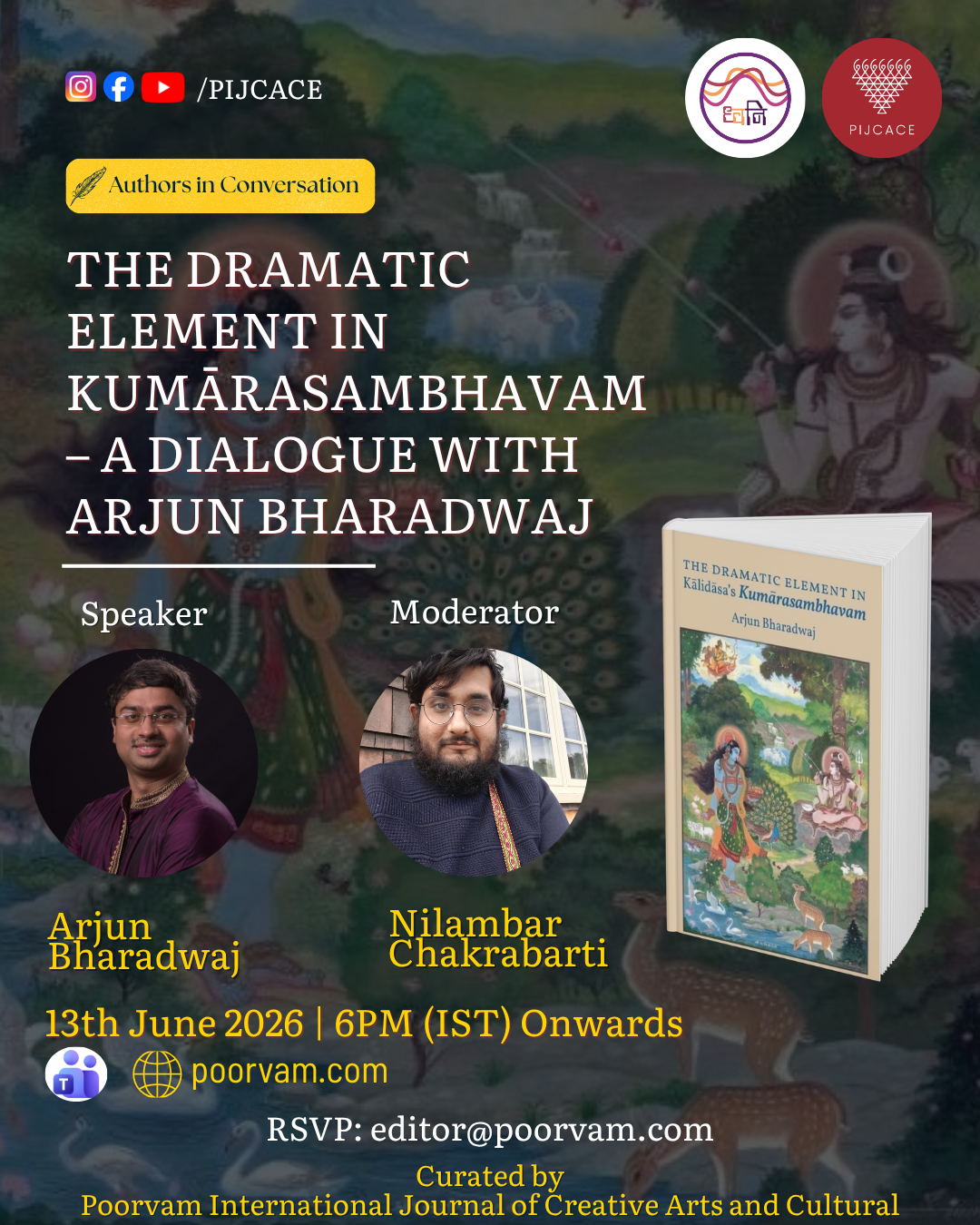
Arjun Bharadwaj is an author and researcher with a deep interest in classical literature, …
The Dramatic Element in Kumārasambhavam – A Dial…
Speaker
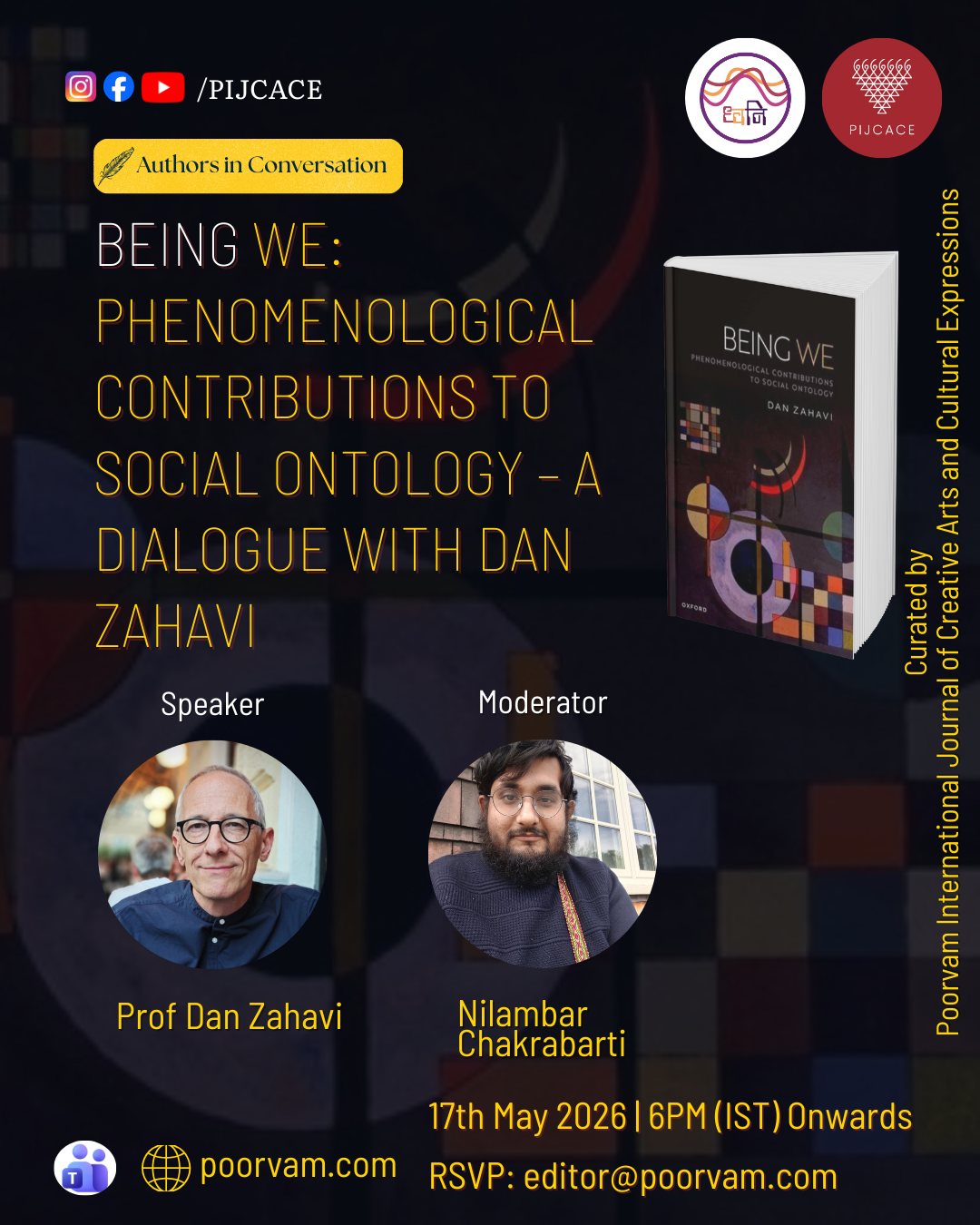
Dan Zahavi is a Professor of Philosophy and director of the Center for Subjectivity Resear…
Being We: Phenomenological Contributions to Soci…
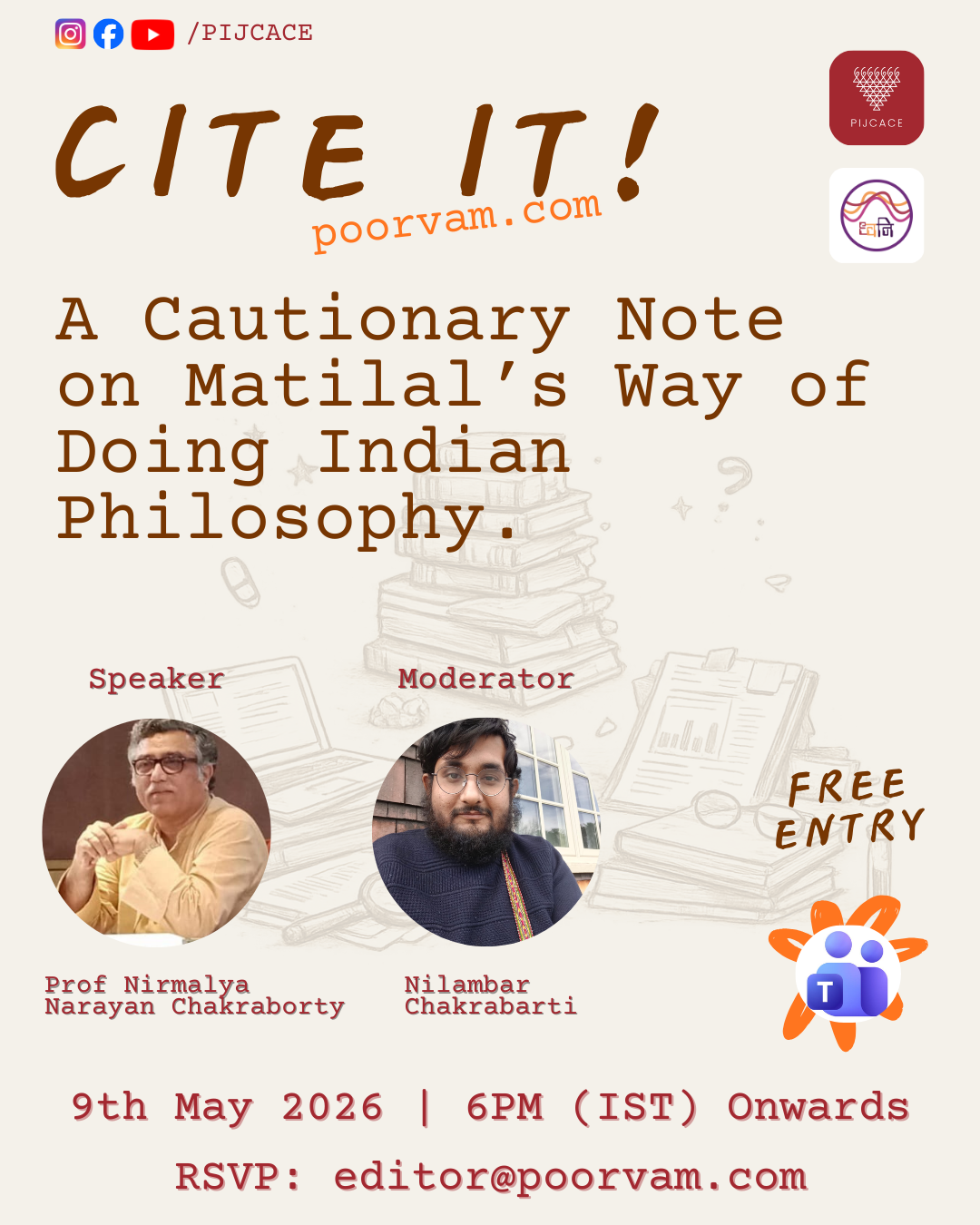
Speaker
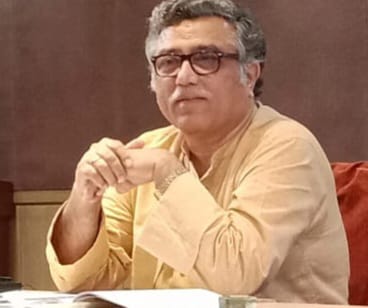
Nirmalya Narayan Chakraborty is presently Vice-Chancellor of Presidency University, Kolkat…
Cite It: A Cautionary Note on Matilal’s Way of D…
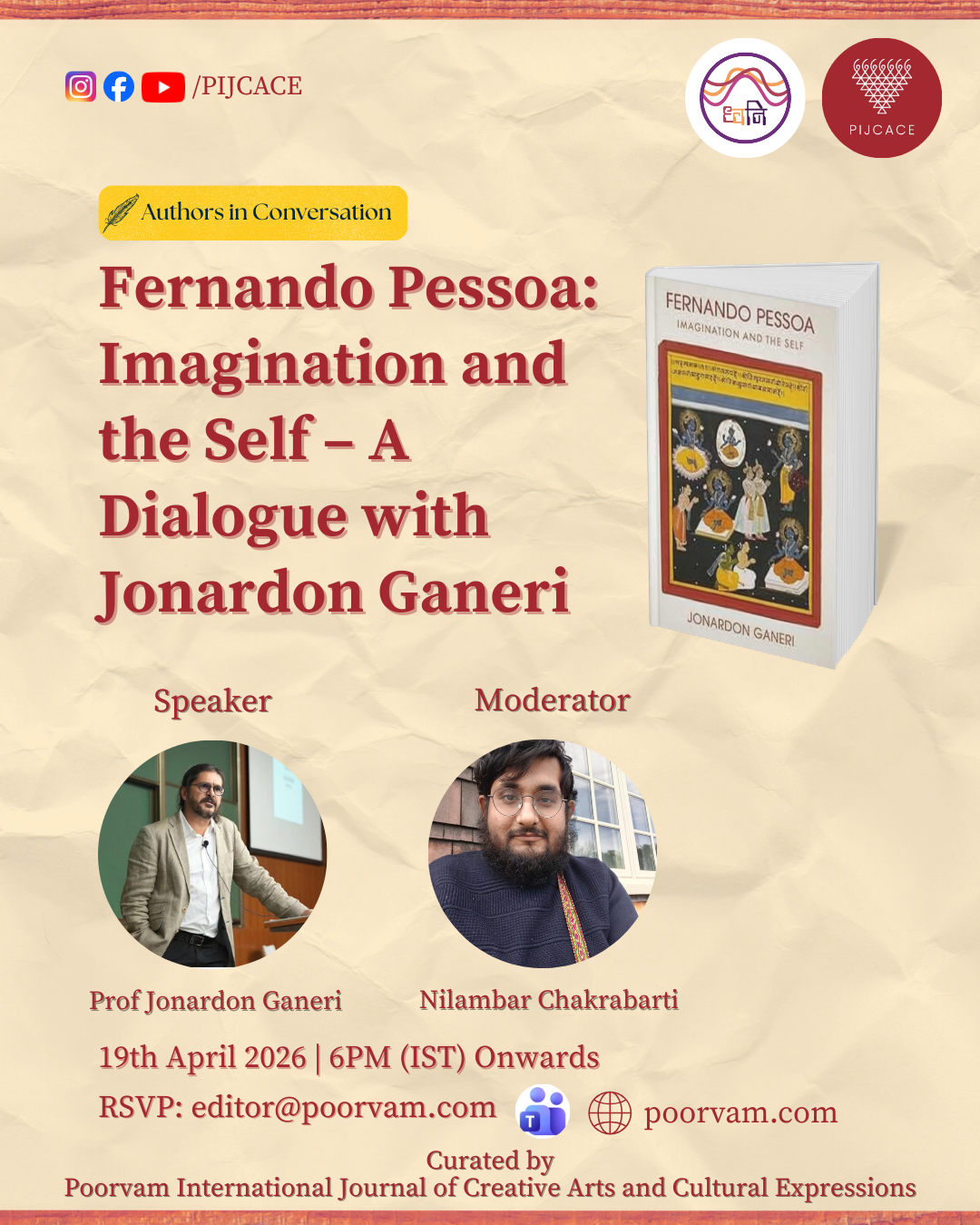
Speaker
Jonardon Ganeri is the Bimal. K. Matilal Distinguished Professor of Philosophy at the Univ…
Fernando Pessoa: Imagination and the Self – A Di…
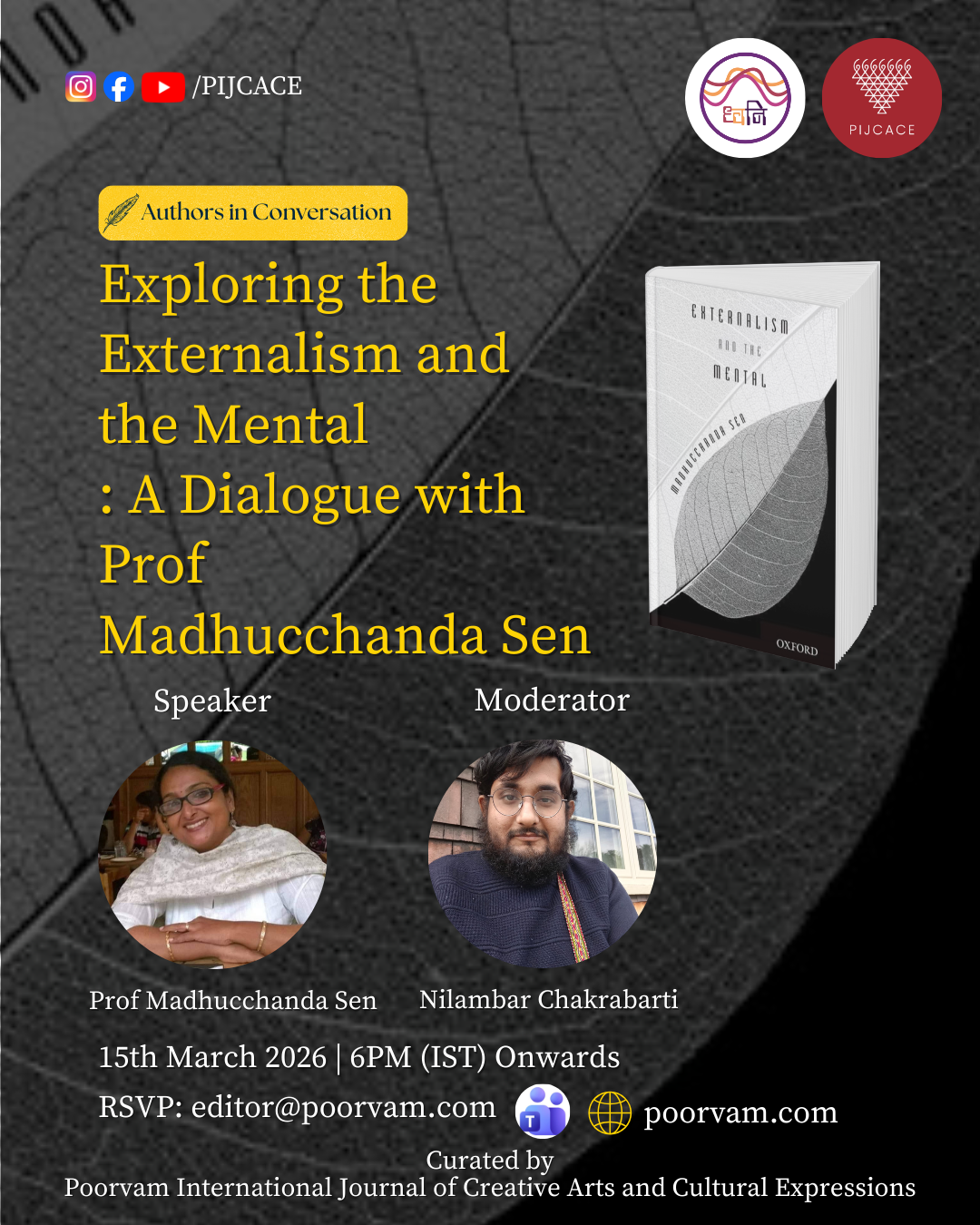
Speaker
Prof. Madhucchanda Sen is a Professor of Philosophy at Jadavpur University, where she has …
Exploring the Externalism and the Mental : A Dia…
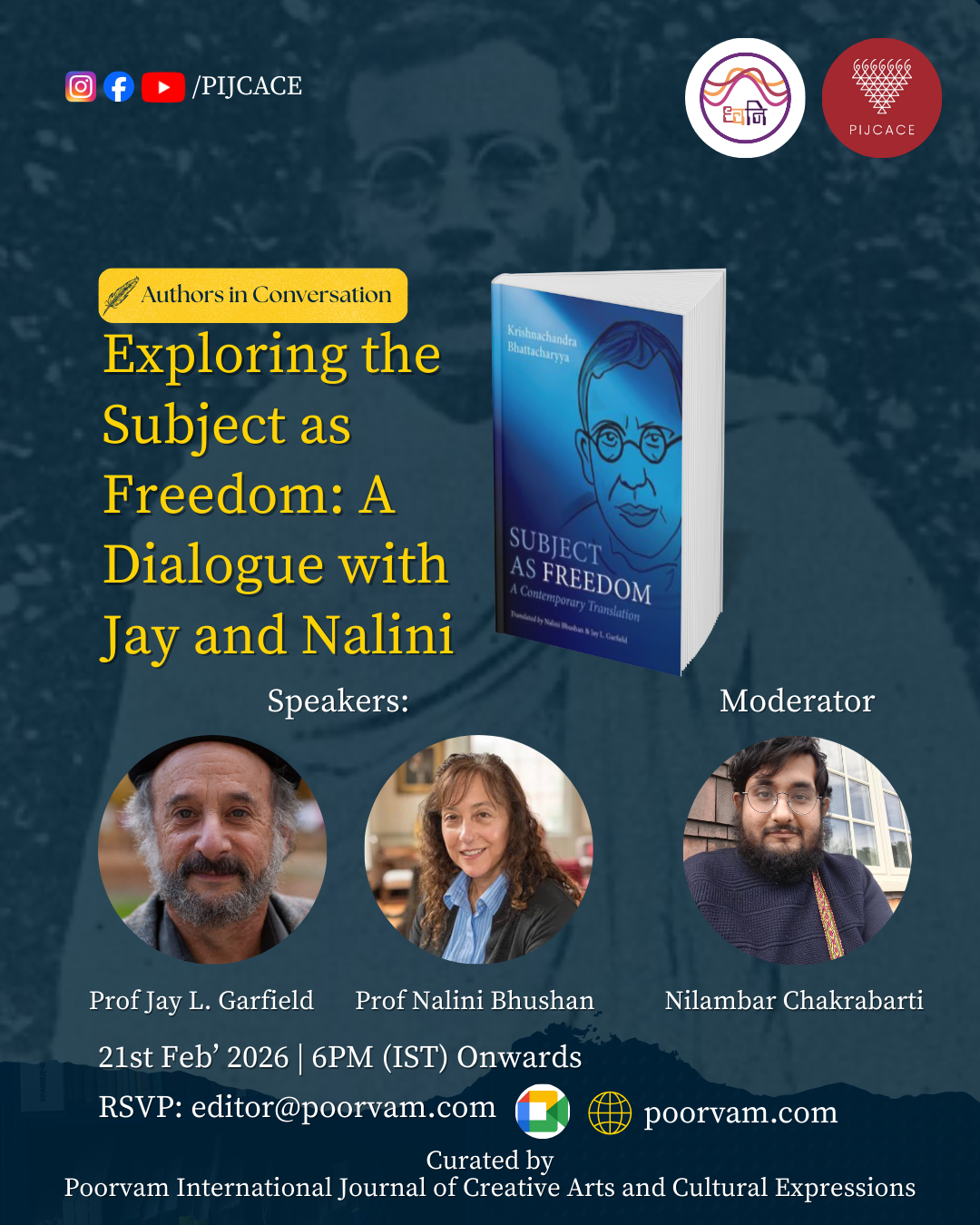
Speaker
Prof. Jay L. Garfield FAHA is the Doris Silbert Professor in the Humanities and Professor …
Exploring the Subject as Freedom: A Dialogue wit…
Speaker
Prof. Nalini Bhushan is Andrew W. Mellon Professor Emerita in the Humanities and Professor…
Exploring the Subject as Freedom: A Dialogue wit…
Authors in Conversation
Cite It
Authors in Conversation
Call for Participation · Commemorative Volume
Poorvam International Journal invites scholars from across the philosophical world to contribute to a commemorative volume honouring one of the most influential philosophers of our time — the scholar who inaugurated our own Authors in Conversation series.
Abstract submission opens 1 July 2026
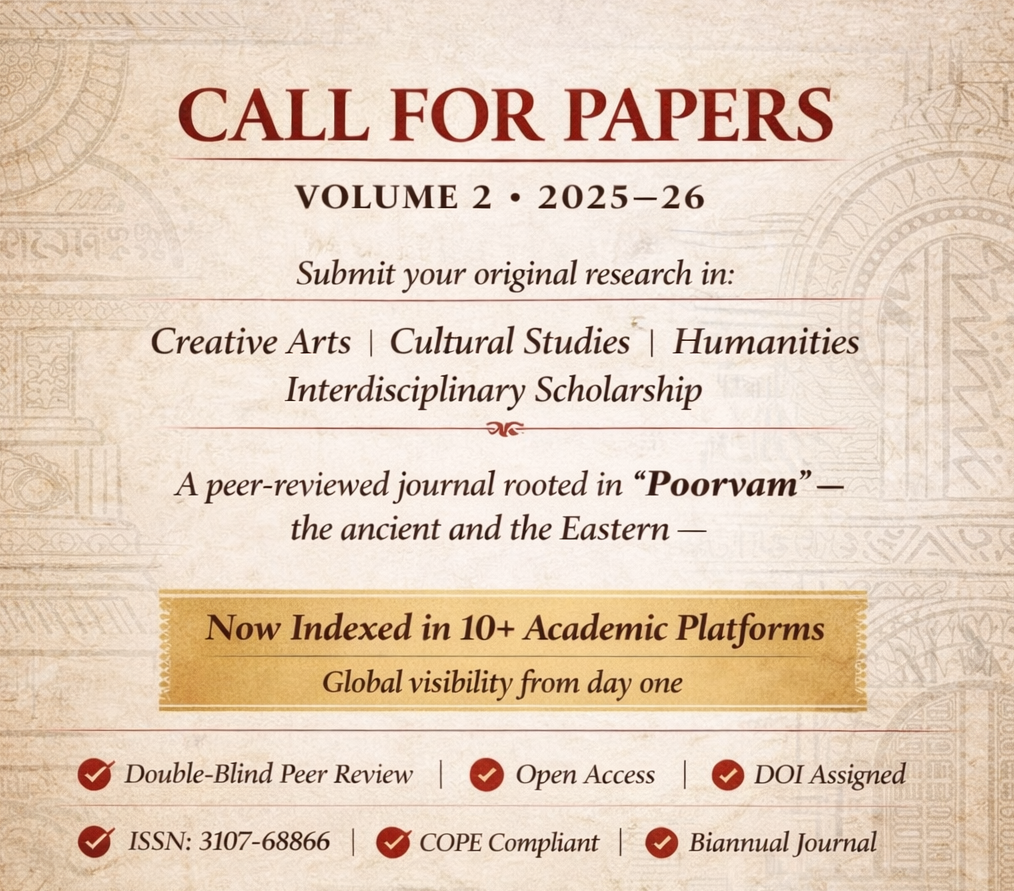
Poorvam International Journal is committed to maximum visibility and scholarly impact. Our content is discoverable through leading academic indexes and databases, ensuring global reach for researchers across every discipline.
DOI Registration & Global Registry
Published Content Integrity
Scholarly Literature Search
European Open Research Infrastructure
AI-Powered Research Discovery
Global Open Scholarly Metadata
Scientific Literature Database
Open Ukrainian Citation Index
Research Discovery by Editage
Publisher Verification
All indexing is independently verified. DOI prefix 10.63752/pijcace registered with Crossref.
This study examines the moral contradictions and values of the Bengali middle class as portrayed in Mrinal Sen's acclaimed films Ek Din Pratidin (1979) and Kharij (1982). Through critical analysis of Sen's cinematic techniques and narrative choices, this research explores how the filmmaker exposed the hypocrisies, moral ambiguities, and social complicity embedded within middle-class life in post-Independence India. In Ek Din Pratidin, Sen interrogates patriarchal surveillance and the performative nature of middle-class morality through the story of a working woman's delayed return home. Kharij confronts issues of class privilege and structural violence through the tragic death of a child domestic worker. Both films demonstrate Sen's commitment to what this study terms "cinema of ethical interrogation"—a cinematic approach that avoids melodrama while exposing the normalized violence of social hierarchies. Rather than offering moral verdicts, Sen's realism compels audiences toward uncomfortable self-reflection. His unflinching critique reveals how middle-class virtue often masks systematic exclusion and selective empathy, making his work profoundly relevant to contemporary discussions of social justice and moral responsibility in South Asian cinema.
This paper examines Bharata Muni through a traditional śāstrika lens, moving beyond historical debates to interpret him as a cosmic principle of performative knowledge (nāṭya-jñāna). Using Sanskrit philological analysis, the study unpacks the name Bharata as bharati-rāti-tanoti (sustains-offers-expands), revealing a microcosmic model of cosmic emanation functioning through icchā (will), jñāna (knowledge), and kriyā (action). The analysis demonstrates how Bharata represents not merely an individual scholar but a community of artists—a sampradāya embodying the dharma of manifesting and offering theatrical knowledge for collective benefit. Drawing from the Nāṭyaśāstra, Abhinavabhāratī, Upanishads, and dharmaśāstra texts, the paper establishes connections between aesthetic theory and spiritual goals, positioning nāṭya as a means to transcend material existence and achieve Self-realization. The study reveals how Bharata's system transforms both performers and spectators through rasa (aesthetic experience), leading from material engagement to spiritual awakening. This interpretation emphasizes nāṭya's role as dharmic practice rather than mere entertainment, offering a framework for understanding Indian performance traditions as vehicles for mokṣa (liberation) through the integration of artistic excellence with spiritual discipline.
In the Nadīstuti Sūktās of Vedic scriptures, Goddess Sarasvatī emerged as the divine river of consciousness and enlightenment, nourishing the genesis of Vedic Sanskrit civilisation. This study conducts an in-depth analysis of eleven Sarasvatī kṛtis composed by Saṅgīta Chūḍāmaṇi Prof. R. Visweswaran to examine their musical and lyrical intricacies. The research employs systematic musicological analysis to investigate the employment of rāgas ranging from mēḷa, auḍava, vakra, rakti, and Hindustānī classifications, alongside their corresponding tāḷās. Each composition is analysed for its structural elements, including rāga mudrās, svarākṣarās, chiṭṭe svarās, and madhyamakāla sāhityās, while examining the scholarly integration of the Sanskrit and Telugu languages. The study reveals how these compositions beautifully weave together Vedic philosophical concepts with contemporary musical expression, demonstrating Prof. Visweswaran's mastery in creating devotional music that bridges ancient wisdom with modern artistic sensibilities. The findings indicate that these kṛtis serve as vehicles for spiritual contemplation while showcasing sophisticated musical craftsmanship, offering contemporary artists profound scope for both devotional expression and technical exploration in Carnatic music performance.
The Low Country dance tradition of Sri Lanka, centred in the Southern and parts of the Western Province, features three stylistic schools: Matara, Benthara, and Raigama. Central to these traditions are ritual healing ceremonies (shantikarma) and popular folk dramas (Kolam), where masks play a vital role. These masks serve as powerful storytelling tools, generating humour and portraying a wide range of characters, thereby evoking strong emotional responses in audiences. Despite the cultural significance of Sri Lankan traditional masks, there is limited scholarly focus on how their colour symbolism influences psychological engagement and ritual effectiveness. This gap hinders a deeper understanding of how traditional performances impact mental states, emotions, and social cognition. The colours on these masks are not arbitrary; they psychologically stimulate the audience and convey messages about a character’s masculinity, social status, and moral orientation. This study adopts a qualitative methodology, incorporating interviews, observations, and literature reviews. Mask performers involved in shantikarma and Kolam drama were observed over one month, with in-depth interviews conducted over four months. Drawing from psychological theories of colour perception and cultural semiotics, the research highlights how colour choices in mask design are intentionally crafted to influence both performers and spectators. The study reveals that these colours enhance narrative impact and serve therapeutic purposes within ritual contexts. Thus, Sri Lankan masks, a profound element of the nation’s cultural heritage, demonstrate a sophisticated understanding of colour’s psychological effects, enriching both performance art and communal healing practices.
This essay investigates the text Bhūtaḍāmara Tantra, examining a philosophical tension: “How does a tantra so deeply embedded in ritual coercion reconcile itself with the language of liberation?” The analysis of this issue is conducted through the central deity, Krodha Bhairava, interpreted as Ferocious Consciousness—an expression of Consciousness that subjugates not only spirits but also the fundamental structure of ‘otherness’ within awareness. An examination of the key practices described in the text, viewed through the lens of Trika doctrine, suggests that an effort is made to establish non-contradiction to non-dual liberation through the fierce realisation of Consciousness.
A constellation of interconnected platforms, publications, and people — all united by a commitment to open, ethical, and world-class scholarly exchange.
A unified platform for open scholarly communication — connecting authors, reviewers, and readers across disciplines.
Our flagship peer-reviewed biannual journal publishing research and creative expression at the intersection of arts and culture.
The publishing imprint of Poorvam — bringing scholarly monographs, edited volumes, and creative works to global audiences.
Carcā (चर्चा) extends the Poorvam knowledge network - A living space for dialogue and learning
Your destination for literary excellence, cultural commentary, and profound reflections from India and the world.
An open-access, peer-reviewed, multidisciplinary biannual e-journal publishing original research and creative scholarship by students across Science, Arts, and Commerce.
Are you a researcher or creative artist? Submit your manuscript and join our vibrant community.
Submit Your Work